




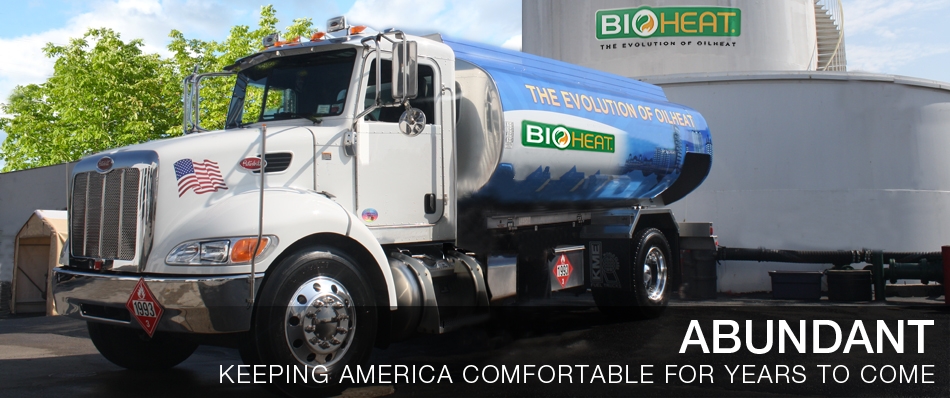

Discover Why Today's Oilheat Is Better Than Ever!
Warmth for today, the energy to fuel the future. That's Oilheat.
It's where comfort meets technology. Where world-class innovation meets friendly personalized service. Where technological advances are made every day that can help you save energy, money, and our environment. Let Oilheat America be your link to the latest news on advancements in Oilheat equipment and in the fuel itself, important tips on conserving energy around your home, and helpful ideas on maximizing your comfort and peace of mind every day.

Commercial and Industrial Users
If you’re thinking that Oilheat is only for home use, think again. The clean, efficient fuel i…

Buying or Selling a Home
If you are buying or selling an Oilheated home, be sure to speak to your local Oilheat dealer. They c…

Real Estate Professionals
When showing an Oilheated home, you have a secret weapon to help you close more de…
Builders and HVAC Professionals
Looking for advice on the right equipment for a new residential or commercial property or insta…
Home Inspectors
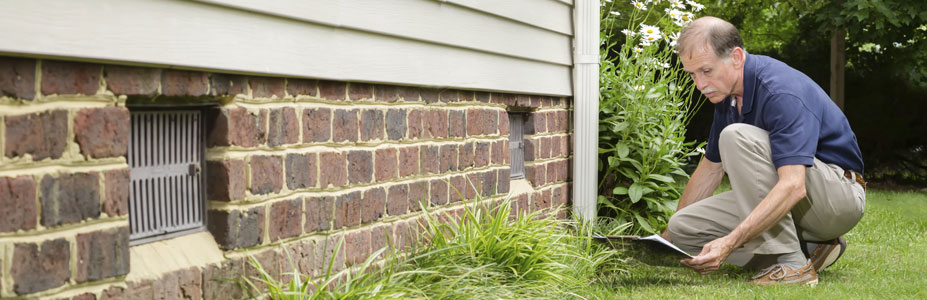
There’s a lot to look at when you’re inspecting a home. Home comfort (heating/cooling) is one of the homeowner…

Knowledge Base
Are you looking for more information about Oilheat, Bioheat® fuel, and heating equipment? Our Knowledge Base has the answers you’re looking for…
Oilheat Facts
The average boiler today as only big as a three drawer filing cabinet. Furnaces are similarly sized. Intsalling a new heating unit can free up space in your utility area as well as save you up to 40 percent in fuel use.
Discover the Evolution of Oilheat

Bioheat® fuel - heating oil blended with biodegradable, organic materials such as soybean oil - is one of the "hottest" things happening in home comfort. Renewable and non-toxic...